VigorHorse Official Website › Blog › Macamides And The Animal Studies On Maca
Macamides And The Animal Studies On Maca
A dose-response trial covered elsewhere on this site says how much maca worked in men and how much did not. It does not say which compound inside the root did the work. A separate line of chemistry and animal research has been chasing that question for two decades, and it points somewhere unexpected: a class of fatty-acid amides called macamides, one of which binds the same receptor system as THC.
- Maca root contains a class of fatty-acid amide compounds called macamides, distinct from the macaenes and glucosinolates also found in the root, and increasingly treated in the literature as the plant’s most likely bioactive fraction.
- A 2014 chemistry paper isolated three known macamides from Lepidium meyenii and tested them directly against the endocannabinoid system. One of them bound the CB1 cannabinoid receptor at a submicromolar concentration and blocked cellular reuptake of the body’s own endocannabinoid, anandamide, more strongly than two reference inhibitor compounds.
- A combination-extract study in mice found that raising macamide content 45-fold, by pairing maca with a companion plant, increased nitric oxide and cGMP levels in penile tissue and produced a bigger rise in ejaculation frequency than maca extract alone.
- A 2021 review covering two decades of published animal research on maca and male reproduction states plainly, in its own conclusion, that the mechanisms behind maca’s reported effects remain unclear.
- None of this describes the specific maca extract on this jar’s own blend line, which the label does not standardize to any macamide percentage. It is what the chemistry behind the ingredient’s proposed mechanism actually looks like in the published literature.
What macamides actually are
Maca root is usually discussed for two things: its macronutrient profile, and the glucosinolates it shares with other Brassica-family vegetables like broccoli and mustard. A third, less-discussed class of compounds, macamides, is unique to maca and has drawn increasing research attention as the fraction most likely to explain the root’s reported effects on reproduction and mood.
Macamides are fatty-acid amides — structurally, a fatty acid chain joined to an amine group, in maca’s case usually a benzylamine. That structure matters because a large family of the body’s own signalling molecules, including the endocannabinoid anandamide, are built the same way. Compounds shaped like the body’s own fatty-acid signals are a natural place to look for biological activity, and that is exactly where the chemistry research below went.
A related class, macaenes, are unsaturated fatty acids also unique to the root and are usually discussed alongside macamides in the phytochemistry literature, though the receptor-level work below focused on the amide class specifically. Neither compound family is what most consumer-facing maca marketing describes; “maca root” as a phrase says nothing about how much of either class a given extract retains, which is the theme this article keeps returning to.
The 2014 paper: macamides and the endocannabinoid system
Hajdu and colleagues (2014) isolated seven fatty-acid amide compounds from two plant sources, three of them known macamides from Lepidium meyenii, and tested each directly against components of the mammalian endocannabinoid system: receptor binding, and the enzymes that build and break down the body’s own endocannabinoid signals.
| Compound (from maca) | What it did in the assay |
|---|---|
| N-benzyl-(9Z,12Z)-octadecadienamide | Bound the CB1 cannabinoid receptor (Ki 0.48 µM); weakly inhibited FAAH, the enzyme that breaks down anandamide (IC50 4 µM); potently blocked anandamide’s cellular reuptake (IC50 0.67 µM), more strongly than two reference inhibitor compounds tested alongside it |
| Two further known macamides | Isolated and confirmed structurally from maca in the same study |
Ki and IC50 values describe binding strength and enzyme-inhibition potency in a laboratory assay. They are not a measurement of what happens in a living animal or person, which the next section addresses separately.
The endocannabinoid system, the network this paper tested against, regulates a wide range of processes including mood, appetite, and pain signalling, and has separately been implicated in aspects of reproductive physiology in the broader endocannabinoid literature. The authors’ own conclusion is that this work provides “strong evidence of the endocannabinoid substrate mimicking” by maca’s fatty-acid amides — a chemistry and receptor-binding finding, not a behavioral or clinical one. Nothing in this paper measured sexual behavior, libido, or any outcome in a living animal; it measured how these isolated compounds behave against cannabinoid-system proteins in a laboratory assay.
A combination-extract study, and what changed in rat and mouse tissue
A separate paper picks up where the chemistry leaves off, by deliberately manipulating macamide content and then measuring physiological markers in animals.
Zhang, Zhou, and Ge (2019) combined maca root extract with Allium tuberosum (Chinese chive) seed extract and found the combination carried 45 times more macamide content than maca extract alone. They dosed male BALB/c mice with maca alone, chive alone, or the combination, using Viagra as a positive control, then measured sexual behavior, testosterone, and nitric oxide and cGMP levels in serum and penile tissue.
| Measurement | Result for the combined extract, versus maca alone |
|---|---|
| Macamide content | 45-fold higher |
| Ejaculation frequency | Significantly higher (P < 0.05) |
| Nitric oxide, serum and penile tissue | Significantly increased (P < 0.01 serum, P < 0.05 penile) |
| cGMP, penile tissue | Significantly increased (P < 0.05) |
| Genital organ weights | No corresponding change |
The authors’ own interpretation ties the effect to macamide content specifically: raising it 45-fold via a companion plant, not by changing the maca dose itself, is what moved the nitric oxide and cGMP readings.
This is one animal study, of a combination product that is not maca alone, and it used a companion plant not on VigorHorse’s label. It is the closest published experiment to directly testing whether macamide content, rather than maca root generally, is the variable driving a nitric-oxide-pathway effect — the same pathway covered from L-arginine’s side in a separate article on this site.
Where maca sits on the VigorHorse panel
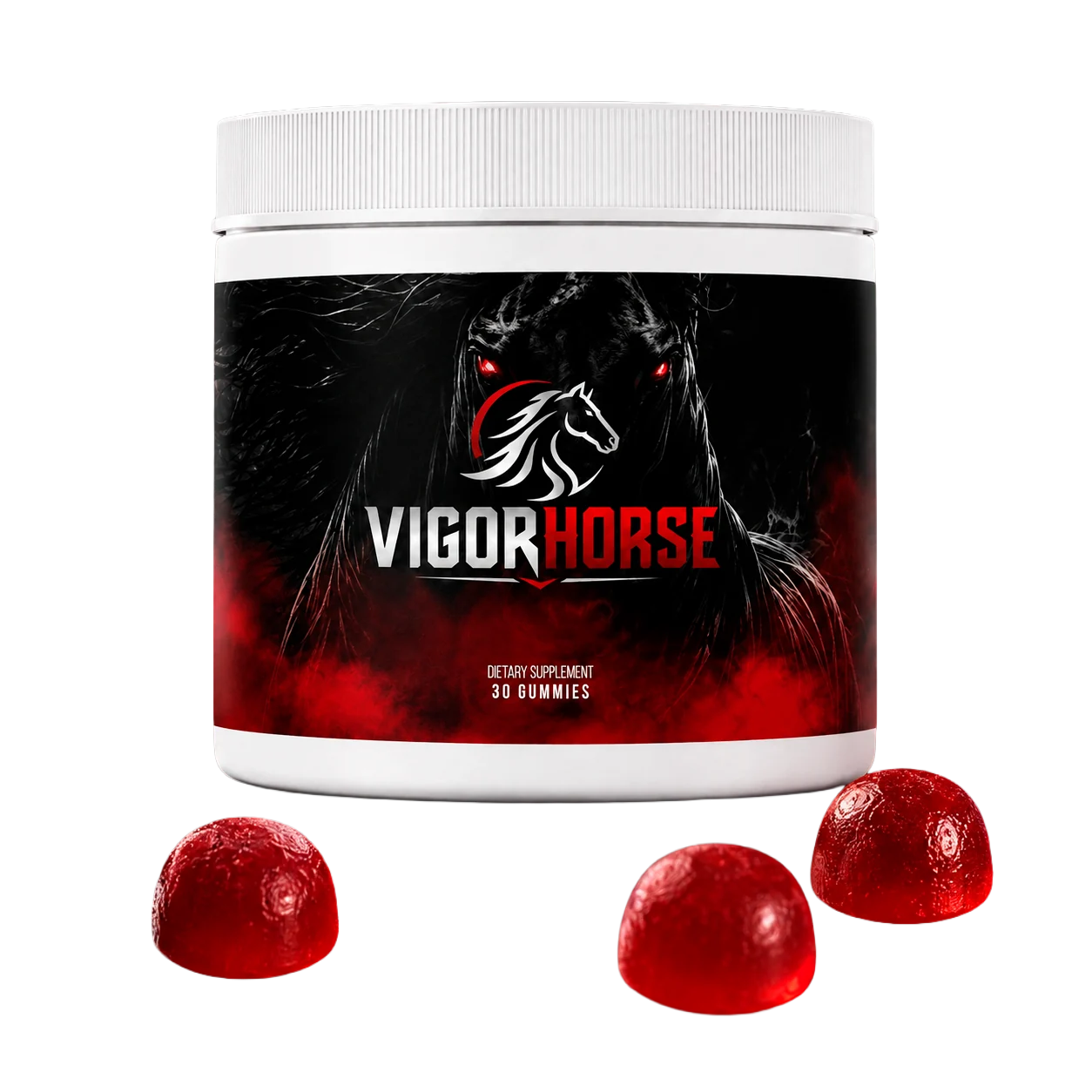
Second of 9 names on the shared 82 mg blend line, printed as Maca Extract with no macamide content disclosed.
Order VigorHorseOne gummy a day · 60-day money-back guarantee
Two decades of animal research, and an open question
The animal literature on maca and sexual behavior goes back further than the macamide-specific chemistry above. Zheng and colleagues (2000) published one of the earliest such studies, giving mice and rats a purified lipidic extract of Lepidium meyenii for 22 days and recording increased complete intromissions in normal mice alongside a shortened erection latency period in rats with induced erectile dysfunction. That paper established the behavioral effect years before the macamide chemistry work identified a specific compound class as a likely cause.
Tafuri and colleagues (2021) reviewed the published literature on maca and male reproduction from 2000 to 2019, covering effects on semen quality and quantity, sexual behavior, and disorders of the male genital tract across several animal species. The review confirms maca is rich in the secondary metabolites relevant here, naming macaridine, macamides, and glucosinolates specifically as the compounds carrying “high biological activity.”
Its concluding sentence is worth quoting directly, because it is the field’s own summary after two decades of published animal work: “Despite the numerous studies carried out on different animal species, further research is needed to clarify the mechanisms of action of Maca.” That is not a criticism of any single study. It is an honest statement that a real, repeated biological effect across multiple animal models has still not been pinned to one confirmed mechanism, even as the macamide-and-endocannabinoid thread above is one of the more specific leads currently published.
What the safety literature on maca extract found
A 2020 safety evaluation tested an ethanolic maca root extract against corticosterone- and hydrogen-peroxide-induced neurotoxicity in a laboratory model, reporting a protective rather than harmful profile within the tested conditions. This is a distinct question from the mechanism-of-action research above; it speaks to safety at the doses and preparation tested, not to whether the ingredient works for any particular claim.
What this means for a blend-line label
VigorHorse’s Supplement Facts panel prints Maca Extract second of 9 names on the shared 82 mg blend line, with no macamide, macaene, or glucosinolate percentage disclosed — the same blend-line format covered elsewhere on this site for every other ingredient here. A companion article on this domain covers the one published trial that tested maca at a specific dose in men; this one covers a different, more basic question the dose trial does not answer: which compound inside the root the effect is thought to come from.
The distinction matters because maca extracts sold commercially are not all processed the same way. Some are gelatinised, a heat-treatment step that changes starch structure and is sometimes applied specifically to concentrate the fat-soluble fraction where macamides and macaenes are found; others are simple dried-and-milled raw powders. Neither this jar’s label nor its ingredients page states which processing method its Maca Extract used, so a reader cannot infer macamide content from the words “Maca Extract” alone any more than from the milligram figure the blend line withholds.
This is not a claim about the macamide content of the maca extract used on this specific jar, which the manufacturer does not publish. It is a summary of where the published chemistry and animal-research literature on maca’s proposed mechanism currently stands: a real, repeated finding across multiple studies, tied most specifically to one class of compounds, with the field’s own reviewers still calling the mechanism unresolved.
What to take from all of this
- Macamides, not the root generally, are the leading candidate for maca’s proposed biological activity in the current chemistry literature.
- One isolated macamide binds the CB1 cannabinoid receptor and blocks anandamide reuptake in a laboratory assay, more potently than two reference inhibitor compounds.
- A combination-extract animal study ties higher macamide content directly to higher nitric oxide and cGMP in penile tissue, though the product tested combined maca with a second plant not on this label.
- A 2021 review of two decades of animal research still calls the mechanism unclear, in the reviewers’ own words, despite the volume of published studies.
- No macamide content is disclosed for the maca extract on this specific jar. That is consistent with how every other ingredient on this blend line is printed, not a gap unique to maca.
None of this changes what the dose-response trial covered elsewhere on this site already established about how much maca moved an outcome in men. It adds the layer that trial did not test: which compound inside the root is doing the work, and how much of the mechanism is settled science versus an active, still-open research question.
References
- Hajdu Z, Nicolussi S, Rau M, Lorántfy L, Forgo P, Hohmann J, Csupor D, Gertsch J. Identification of endocannabinoid system-modulating N-alkylamides from Heliopsis helianthoides var. scabra and Lepidium meyenii. J Nat Prod. 2014;77(7):1663-1669. PMID 24972328. https://pubmed.ncbi.nlm.nih.gov/24972328/
- Zhang Y, Zhou F, Ge F. Effects of combined extracts of Lepidium meyenii and Allium tuberosum Rottl. on erectile dysfunction. BMC Complement Altern Med. 2019;19(1):135. PMID 31215433. https://pubmed.ncbi.nlm.nih.gov/31215433/
- Tafuri S, Cocchia N, Vassetti A, Carotenuto D, Esposito L, Maruccio L, Avallone L, Ciani F. Lepidium meyenii (Maca) in male reproduction. Nat Prod Res. 2021;35(22):4550-4559. PMID 31805775. https://pubmed.ncbi.nlm.nih.gov/31805775/
- Yu Z, Jin W, Dong X, Ao M, Liu H, Yu L. Safety evaluation and protective effects of ethanolic extract from maca (Lepidium meyenii Walp.) against corticosterone and H2O2 induced neurotoxicity. Regul Toxicol Pharmacol. 2020;111:104570. PMID 31884156. https://pubmed.ncbi.nlm.nih.gov/31884156/
- Zheng BL, He K, Kim CH, Rogers L, Shao Y, Huang ZY, Lu Y, Yan SJ, Qien LC, Zheng QY. Effect of a lipidic extract from Lepidium meyenii on sexual behavior in mice and rats. Urology. 2000;55(4):598-602. PMID 10736519. https://pubmed.ncbi.nlm.nih.gov/10736519/