VigorHorse Official Website › Blog › Muira Puama, The Memory Studies
Muira Puama: The Memory Studies Behind The Name
Muira puama is first on this jar’s blend line, which under the labeling rule makes it the single largest contributor to the 82 mg. It is also sold on a centuries-old reputation as “potency wood.” The published research is real, it is just not that. It is a tight, one-lab program of rodent memory experiments, plus a single test-tube study of an erectile pathway that used muira puama as one ingredient in a four-part mixture.
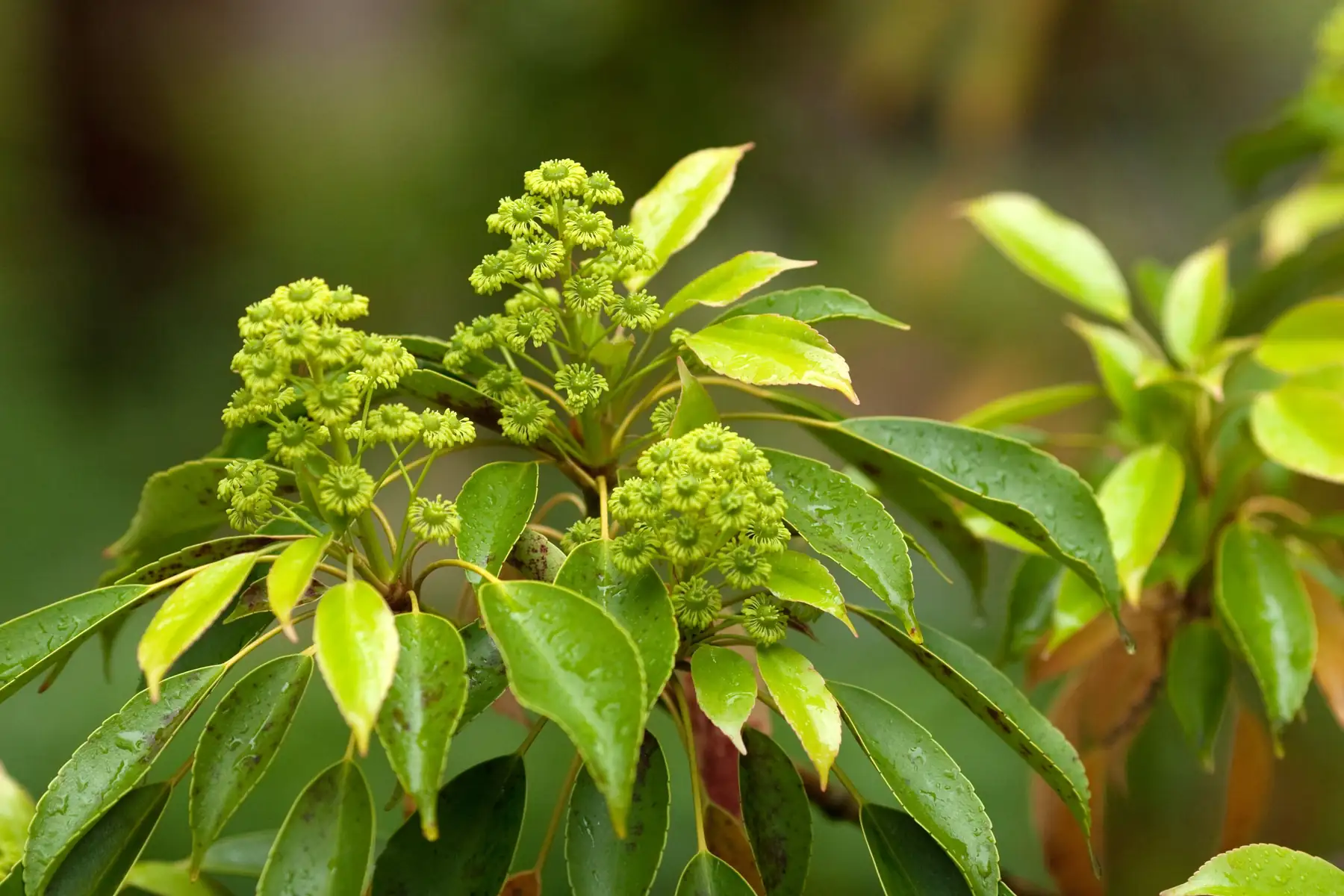
- Muira puama is Ptychopetalum olacoides, an Amazonian root traditionally called “potency wood” and used by elders for age-related conditions generally, not specifically for libido.
- One Brazilian laboratory (Elisabetsky and colleagues, Federal University of Rio Grande do Sul) has published essentially the entire modern pharmacology of this plant, five studies deep, all in mice, all about memory and learning.
- A single 2018 cell-culture study looked at an erectile-relevant pathway, but it tested muira puama as one of four ingredients in a combination product, at a fixed concentration in rat corporal tissue, not as a standalone dose in a living animal or a person.
- A 2026 clinical paper used a five-ingredient combination product for urinary symptoms in older men with an enlarged prostate, not for libido, and the trial was retrospective and non-randomised.
- No published study gave muira puama alone to a human being and measured libido, erectile function, or sexual satisfaction. If that trial exists, it was not found in PubMed.
The claim versus the record
Muira puama has carried an aphrodisiac reputation in Brazilian folk medicine for well over a century, and that reputation is the reason it appears on male vitality labels at all. The plant is also used more broadly by Amazonian communities as a tonic for age-related complaints: fatigue, weak memory, general debility. Both uses travel together in the ethnobotanical record, and most marketing copy keeps only the first one.
What is worth doing before reading further is separating the two claims cleanly, because the published science answers one of them and is silent on the other. Nobody has run a placebo-controlled trial of muira puama for libido or erectile function in humans. What has been run, repeatedly, is a program of animal experiments on memory.
One lab, five mouse studies
Almost every citable finding on this plant traces back to one research group, led by Elaine Elisabetsky at the Federal University of Rio Grande do Sul in Porto Alegre, working with a standardized ethanol extract the papers label POEE.
| Study | Year | Model | What it measured | Result |
|---|---|---|---|---|
| Siqueira and colleagues | 2003 | Rat brain tissue, in vitro | Acetylcholinesterase activity | POEE inhibited the enzyme in a dose- and time-dependent way |
| da Silva and colleagues | 2004 | Young and aging mice | Memory retrieval, step-down avoidance task | Improved retrieval at 50–100 mg/kg i.p. and 800–1000 mg/kg oral |
| da Silva and colleagues | 2007 | Adult and aging mice | Short-term memory and object recognition | Improved both aversive and non-aversive memory |
| da Silva and colleagues | 2008 | Mice, serotonin antagonists | Receptor mechanism behind the memory effect | 5-HT2A antagonism increased the promnesic effect |
| da Silva and colleagues | 2009 | Mice, MK801 and scopolamine models | Drug-induced amnesia | POEE reversed both types of chemically induced memory loss |
All five studies used the same standardized extract from the same laboratory. Doses are as the abstracts state them, given by injection (i.p.) or by mouth (oral) to mice, not to people.
Read end to end, this is a coherent and fairly careful research program. It establishes that a standardized muira puama extract inhibits acetylcholinesterase in rat brain tissue, that it improves several kinds of memory in mice at specific injected and oral doses, that the effect extends to reversing drug-induced amnesia, and that serotonin receptors are part of the mechanism. That is a real, replicated-within-one-lab body of work on cognition.
It has nothing to do with libido. None of the five studies measured sexual behavior, mounting frequency, hormone levels, or anything resembling a vitality endpoint. They measured how long a mouse hesitated before stepping onto an electrified grid it remembered from the day before.
Why this matters for how the ingredient gets marketed
A product can cite “muira puama, studied for its traditional use” and every word of that sentence can be defensible while still leaving a reader with the wrong idea about what was studied. The traditional use named on most labels is virility. The studied use, in the only modern research program on this plant, is memory. This site’s ingredients page keeps that distinction in view rather than letting the traditional-use framing imply a modern trial that does not exist.
What the mechanism studies actually show
Siqueira and colleagues found that the standardized extract inhibited acetylcholinesterase in rat frontal cortex, hippocampus, and striatum — the same enzyme that donepezil and other Alzheimer’s drugs target, though at a much cruder, whole-extract level rather than a purified compound.
The 2008 receptor study went further and used selective serotonin antagonists to probe the mechanism, finding that 5-HT2A receptor blockade increased the extract’s memory-improving effect, while 5-HT1A blockade did not. That is a genuinely specific pharmacological finding, the kind that takes real bench work to produce, and it belongs to the same small research program as everything else on this plant.
None of this is nothing. A traditional Amazonian nerve tonic turning out to have a real, mechanistically characterized effect on rodent memory is a more interesting result than most supplement ingredients ever get. It is just not the result the marketing implies.
The one erectile-pathway study, read carefully
Exactly one published study connects muira puama to anything resembling the male-vitality claim, and it needs to be read at the level of what it actually did.
Ferrini and colleagues (2018) studied a four-ingredient combination product called COMP-4 — ginger, guarana (Paullinia cupana), muira puama, and l-citrulline — in a rat corporal smooth-muscle cell culture. The point of the study was to work out how a version of COMP-4 already shown, in a separate aged-rat feeding study, to improve erectile function actually acts on the nitric oxide signalling pathway at the cellular level.
| What was tested | Detail |
|---|---|
| System | Primary corporal smooth-muscle cells, cultured from 8-week-old rat penile tissue |
| Muira puama's role | One of four ingredients, tested both alone and as part of the COMP-4 mixture |
| Concentration used | 0.9 mg/mL, applied directly to the cell culture |
| What moved most | The full four-ingredient COMP-4 mixture had the largest effect on cGMP, iNOS, and PDE5 markers — more than any single ingredient alone |
| What this cannot show | Anything about a dose taken by mouth, an intact animal, or a human |
A cell-culture pathway study is a mechanism experiment. It is several steps removed from a person swallowing a gummy and noticing anything.
Two things follow from reading it this closely. First, the authors’ own result is that the four-ingredient combination outperformed any single ingredient, which is the opposite of evidence that muira puama alone drives an effect. Second, this is tissue in a dish, not a living organism, let alone a person. It is a legitimate first step toward understanding a mechanism, and it is not a demonstration that taking muira puama does anything to a human body.
The 2026 clinical paper, and what it was not for
The most recent muira puama paper in PubMed as of this writing is also the only one with a human clinical component, and it is worth being precise about what it studied.
Chiavaroli and colleagues (2026) tested a five-ingredient supplement called Oxyfil — willowherb, muira puama, ginkgo, horsetail, and citrulline — first on isolated mouse prostate tissue exposed to a bacterial inflammatory trigger, then in a retrospective, non-randomised clinical review of 59 men with lower urinary tract symptoms from benign prostatic hyperplasia, most of whom were also taking a prescription drug alongside the supplement.
- The endpoint was urinary flow and prostate symptom scores, not libido, sexual desire, or erectile function.
- The population was older men with diagnosed BPH, not a general male-vitality population.
- The design was retrospective and non-randomised, with treatment left to the physician, which is a materially weaker design than a randomised trial.
- Muira puama was one of five ingredients, and the paper does not isolate its individual contribution.
This is a real 2026 paper about a real clinical population, and it is genuinely encouraging for the specific combination product it studied for the specific problem it studied. It says nothing about libido, and it says nothing about muira puama on its own, for the same reason the cell-culture study says nothing about a whole person: multiple active ingredients were given together and only the mixture was measured.
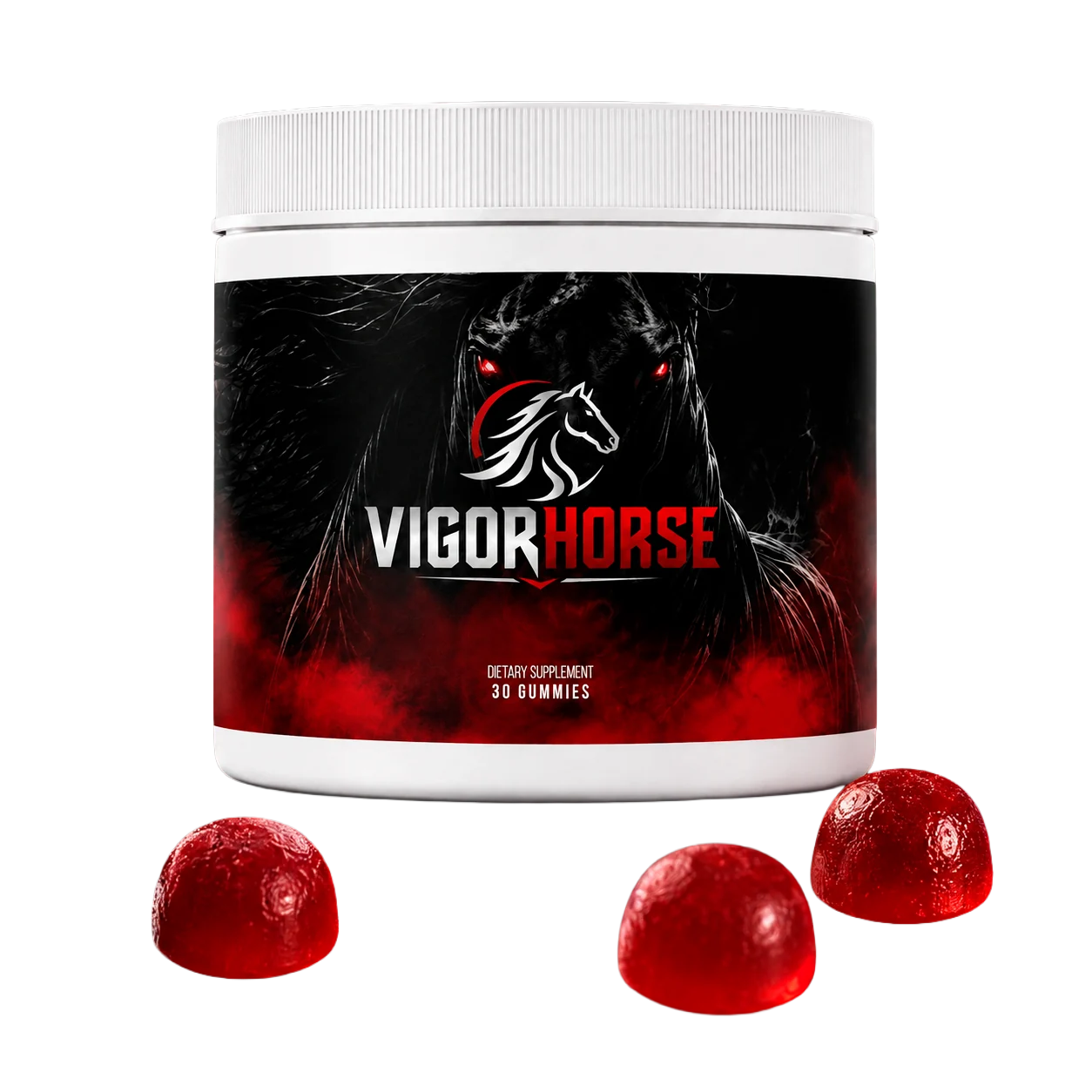
See where muira puama sits on the VigorHorse panel
First of 9 names on the blend line, ahead of the caffeine row, in a total of 82 mg equivalent to roughly 567 mg of dry powders. The whole panel is transcribed on this website.
One jar $89 · six jars $294 · 60-day money-back guarantee
Order VigorHorse On The Official WebsiteOne gummy a day · 30 per jar · lot VIG-26/MY-7014
Where muira puama sits on this label
The VigorHorse Supplement Facts panel lists the proprietary blend in descending order of predominance, as the labeling rule requires: Muira Puama Extract, Maca Extract, Catuaba Extract, Green Tea Extract, Caffeine (5 mg), Ashwagandha, L-Arginine, Tribulus Terrestris, Horny Goat Weed Extract, for a total of 82 mg, footnoted as roughly equivalent to 567 mg of dry powders.
Being first on that list is worth stating plainly, because it is one of the few genuinely favorable facts available about a proprietary blend: it means muira puama is present in the largest individual amount of the nine names on this jar's line. That is real information, and it is also bounded by a hard ceiling. The whole blend, all nine names combined, tops out at 82 mg. Caffeine is broken out at 5 mg, which is the only figure the label prints for any single name. Nothing on the panel tells a reader how the remaining roughly 77 mg is split across the other eight names, only that muira puama's share of it is the largest.
It means the marketing claim ("muira puama, a traditional male vitality herb") is truthfully describing an ingredient that is genuinely present in a meaningful amount relative to the rest of the blend. It does not mean that amount corresponds to anything tested in the mouse memory studies above, which used 50 to 1,000 mg/kg by weight in a rodent, or in the cell-culture study, which applied 0.9 mg/mL directly to tissue in a dish. Milligrams-per-kilogram in a mouse and milligrams-per-jar in a gummy are not comparable units without a great deal more information than a blend total provides.
How to read a “potency wood” the honest way
- The traditional-use claim and the modern-research claim are different claims. Traditional use in Brazil covers both virility and general vitality/memory in elders. Modern research covers only the second.
- The memory research is real and reasonably careful, from one consistent laboratory, with a plausible mechanism (acetylcholinesterase inhibition, serotonin receptor involvement) behind it.
- The libido and erectile-function research does not exist as a standalone finding. The two papers that touch that territory both tested muira puama mixed with three or four other actives, and neither isolated its individual contribution.
- Being first on a blend line is real, bounded information, not a dose. It tells you rank, not milligrams.
- None of this makes muira puama a bad ingredient to be looking at. It makes the sales pitch narrower than it is usually presented, which is the same gap this website tries to close on every ingredient it writes about.
If memory and mental clarity are what actually interests you, the mouse literature on this plant is worth a closer look on its own terms. If it is specifically the vitality claim you came here to check, the honest answer is that nobody has run the trial yet.
References
- Siqueira IR, Fochesatto C, da Silva AL, et al. Ptychopetalum olacoides, a traditional Amazonian "nerve tonic", possesses anticholinesterase activity. Pharmacol Biochem Behav. 2003;75(3):645-650. PMID 12895682. https://pubmed.ncbi.nlm.nih.gov/12895682/
- da Silva AL, Piato AL, Bardini S, et al. Memory retrieval improvement by Ptychopetalum olacoides in young and aging mice. J Ethnopharmacol. 2004;95(2-3):199-203. PMID 15507336. https://pubmed.ncbi.nlm.nih.gov/15507336/
- da Silva AL, Piato AL, Ferreira JG, et al. Promnesic effects of Ptychopetalum olacoides in aversive and non-aversive learning paradigms. J Ethnopharmacol. 2007;109(3):449-457. PMID 17023132. https://pubmed.ncbi.nlm.nih.gov/17023132/
- da Silva AL, Ferreira JG, da Silva Martins B, et al. Serotonin receptors contribute to the promnesic effects of P. olacoides (Marapuama). Physiol Behav. 2008;95(1-2):88-92. PMID 18561960. https://pubmed.ncbi.nlm.nih.gov/18561960/
- da Silva AL, Silva Martins Bd, Linck VM, et al. MK801- and scopolamine-induced amnesias are reversed by an Amazonian herbal locally used as a "brain tonic". Psychopharmacology (Berl). 2009;202(1-3):165-172. PMID 18695930. https://pubmed.ncbi.nlm.nih.gov/18695930/
- Ferrini MG, Garcia E, Abraham A, et al. Effect of ginger, Paullinia cupana, muira puama and l-citrulline, singly or in combination, on modulation of the inducible nitric oxide-NO-cGMP pathway in rat penile smooth muscle cells. Nitric Oxide. 2018;76:81-86. PMID 29551532. https://pubmed.ncbi.nlm.nih.gov/29551532/
- Chiavaroli A, Acquaviva A, Simone SCD, et al. Protective Effects Induced by a Novel Food Supplement Based on Epilobium angustifolium, Ptychopetalum olacoides, Ginkgo biloba, and Equisetum arvense Extracts and Citrulline in the Lower Urinary Tract: Preclinical and Clinical Evidence. Phytother Res. 2026 Sep 1. Online ahead of print. PMID 42680212. https://pubmed.ncbi.nlm.nih.gov/42680212/